On Honda vehicles, the brake system light is a critical safety warning that indicates a problem with the braking system’s hydraulic pressure, brake fluid level, parking brake, or electronic brake control. Unlike minor dashboard reminders, a brake system warning usually means your braking performance may already be reduced or could fail unexpectedly, so it should never be ignored.
Most Honda dashboards use a red brake system light, often labeled with the word “BRAKE” or an exclamation point inside a circle. If you also see other related lights, such as ABS or VSA, it can help narrow down whether the issue is strictly mechanical, electronic, or a combination of both.
Modern Honda vehicles can display several different brake-related warnings. Understanding which light is on can help you estimate how serious the issue is and what needs attention first.
The red brake system light is the most urgent. It usually signals low brake fluid, an engaged or faulty parking brake switch, or a loss of hydraulic pressure in one of the brake circuits. If this light stays on while driving, the vehicle may not stop as effectively, and you should treat it as a high-priority safety issue.
The ABS (Anti-lock Braking System) warning light typically appears as the letters “ABS” inside a circle. When it is illuminated, your base braking system still usually works, but the anti-lock feature may be disabled, increasing the risk of wheel lockup under hard braking or on slippery roads. On some Hondas, an ABS problem can also trigger the red brake system light, especially when faults are severe.
The VSA (Vehicle Stability Assist) and traction control lights relate to systems that use your brakes electronically to improve stability and grip. While these lights themselves do not always mean your basic brake hydraulics are failing, they can show up alongside the brake system light when wheel speed sensors or other shared components are faulty, causing multiple systems to be affected at once.
Several issues, ranging from minor to severe, can trigger the brake system light in a Honda. Identifying the cause quickly helps you decide whether you can cautiously continue driving or should stop immediately and seek assistance.
Low brake fluid is one of the most common reasons the brake system light turns on. As the brake pads wear down, the caliper pistons move outward, drawing more fluid from the reservoir. Small decreases are normal, but significant drops can indicate a leak or severely worn pads. Contaminated fluid, dark and cloudy from moisture or debris, can also affect sensor readings and brake performance.
If the parking brake is even slightly engaged, the brake system light will often stay on. On some Honda models, a misadjusted parking brake cable, stuck caliper, or faulty parking brake switch can keep the light illuminated even when the brake lever or pedal feels fully released, creating the impression of a more serious problem than is actually present.
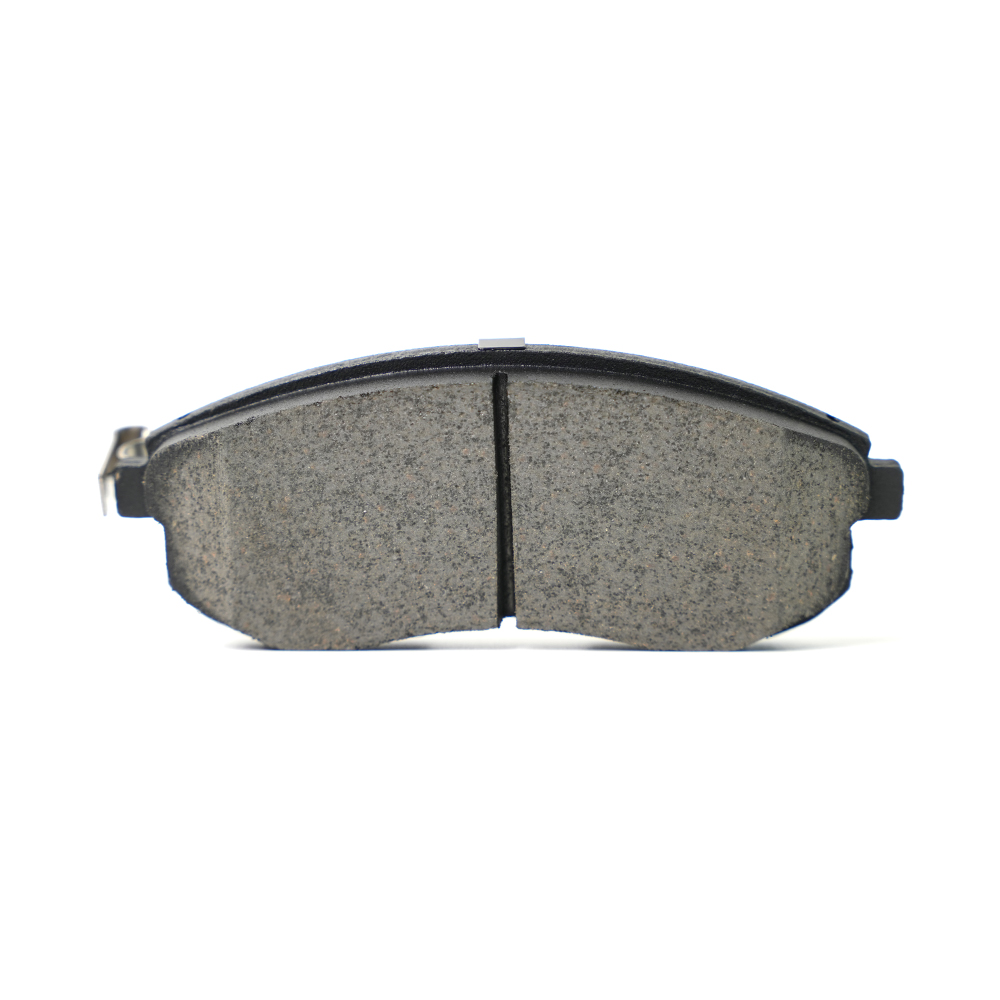
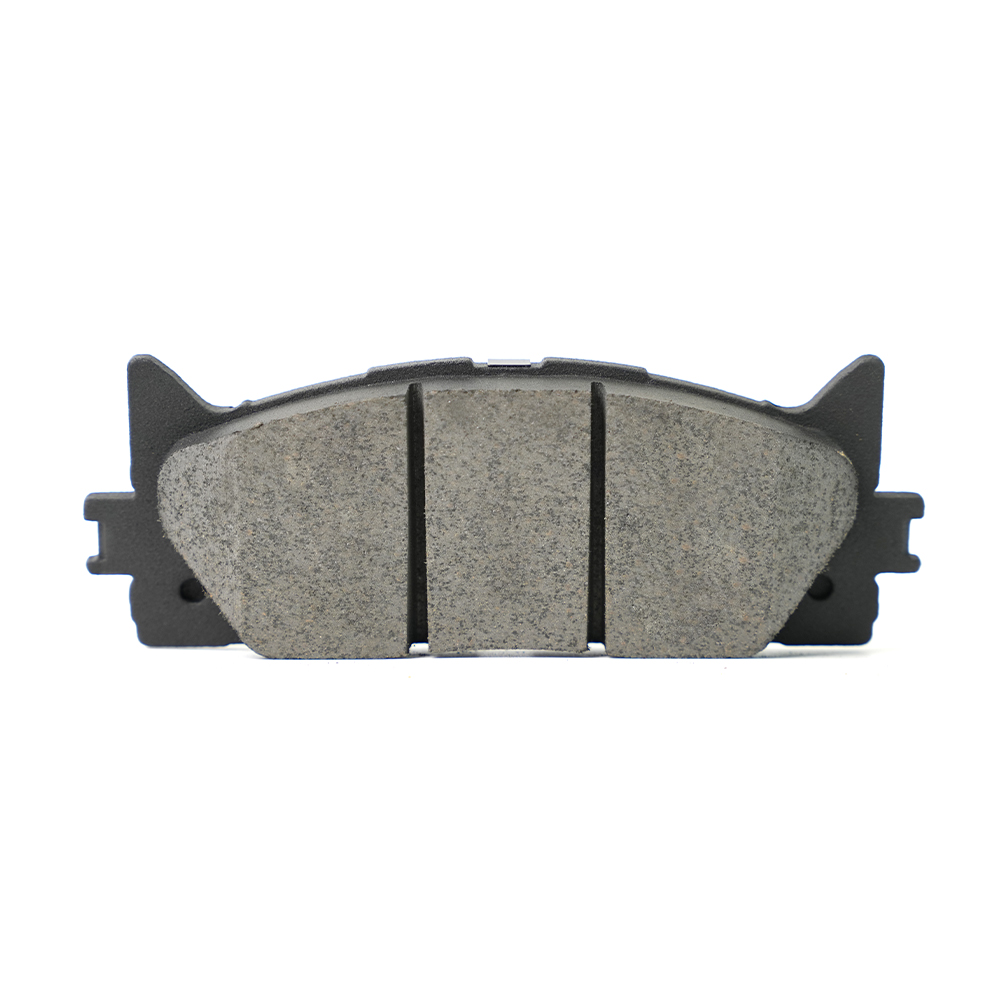
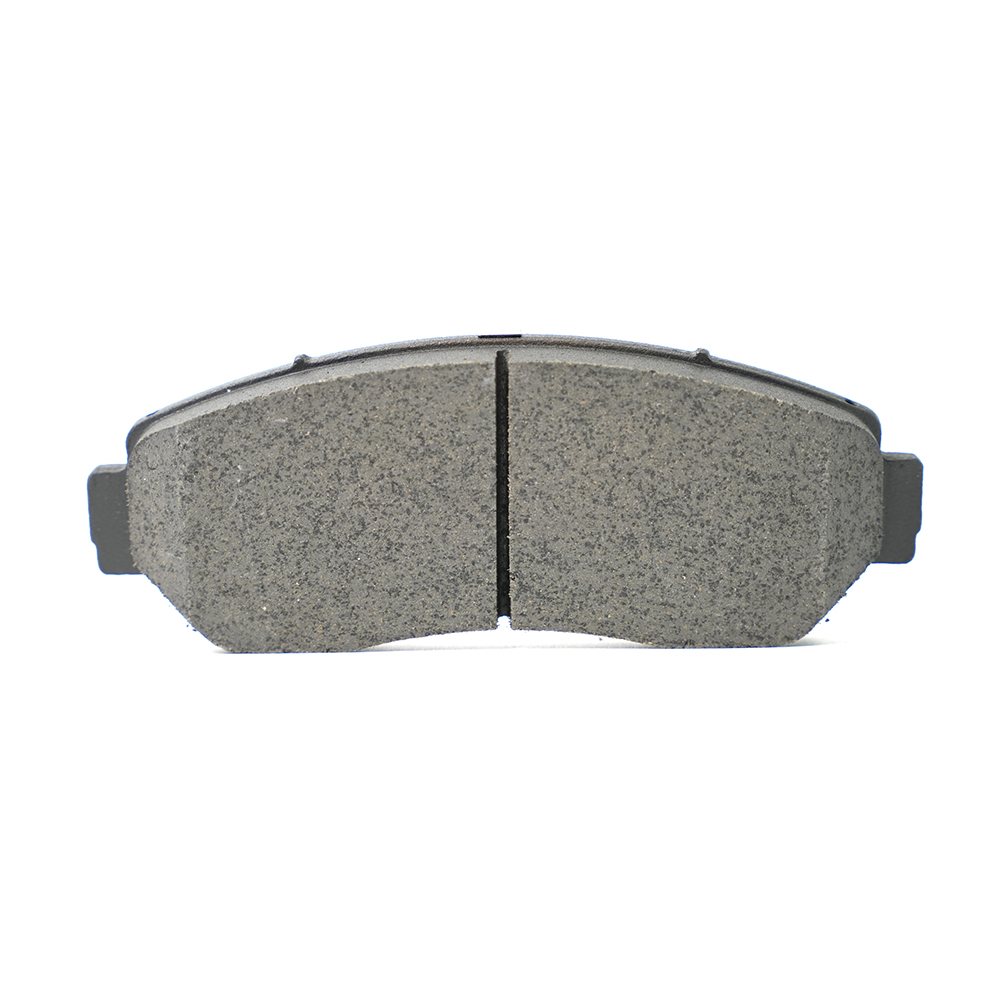
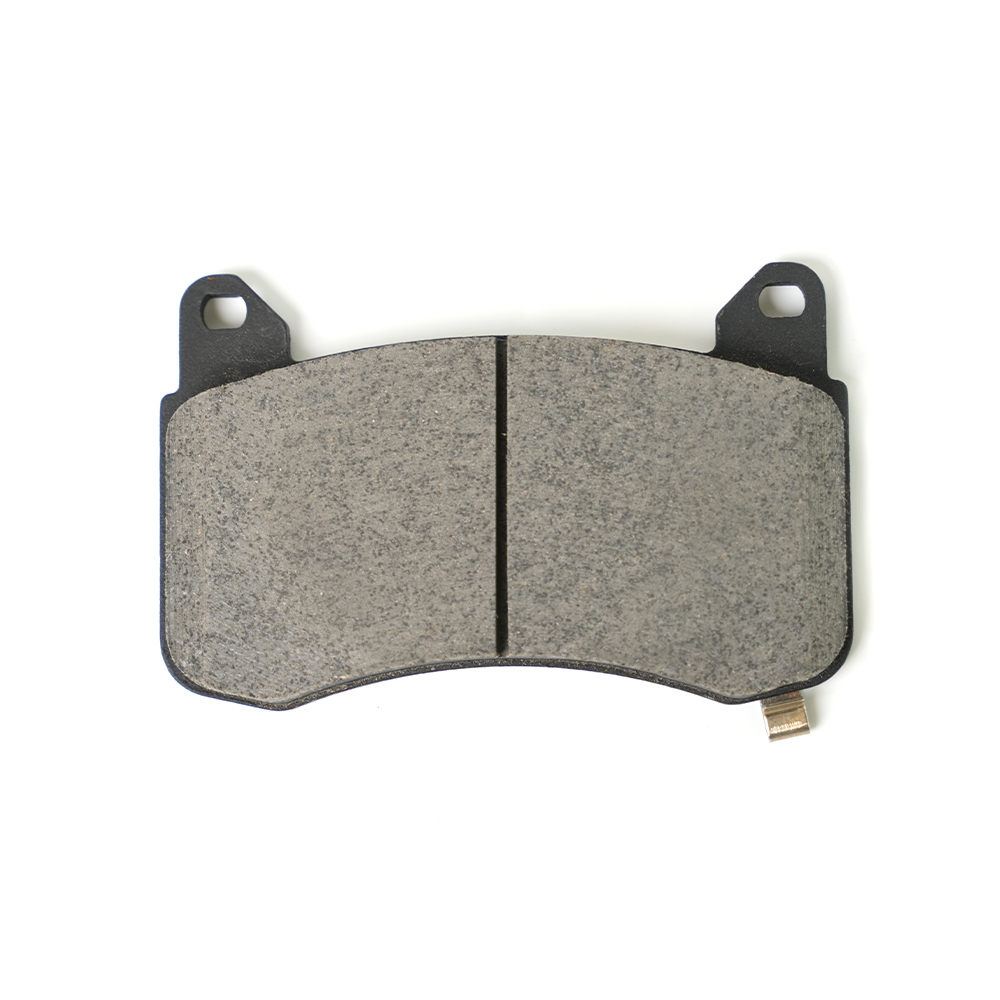
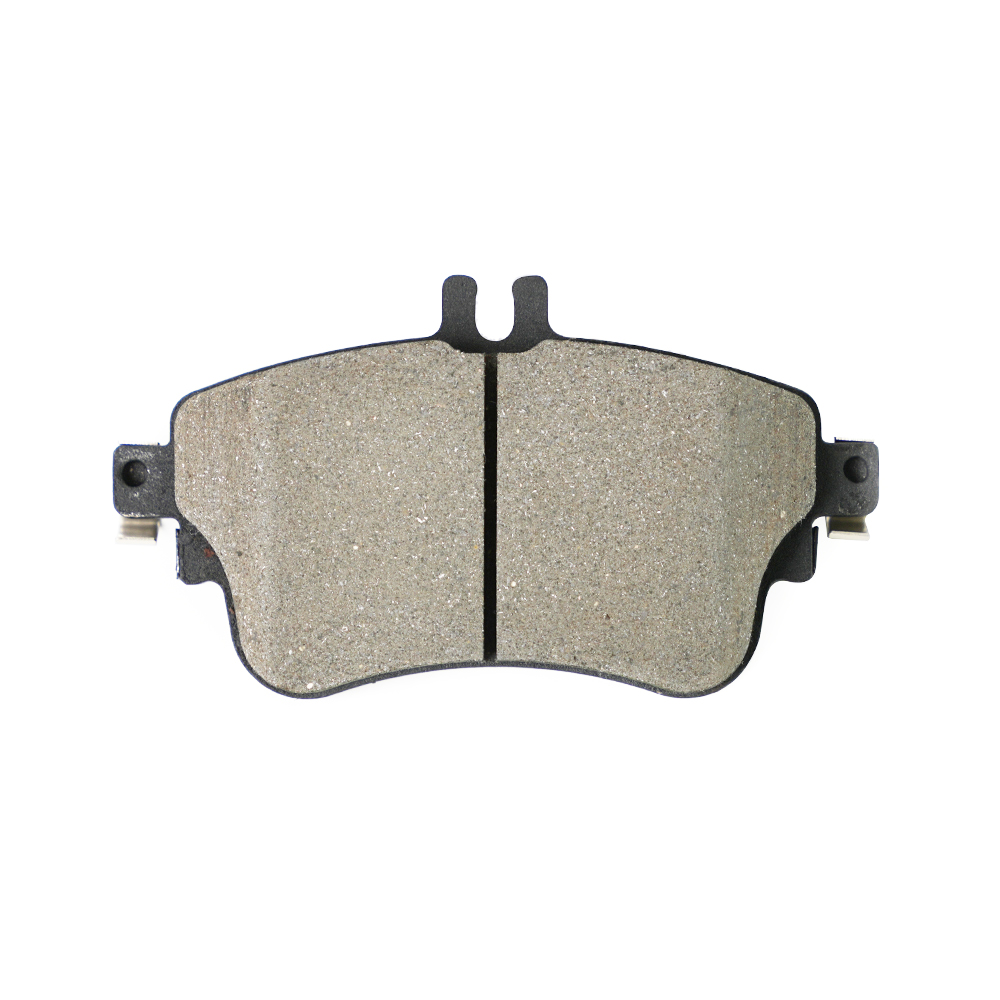
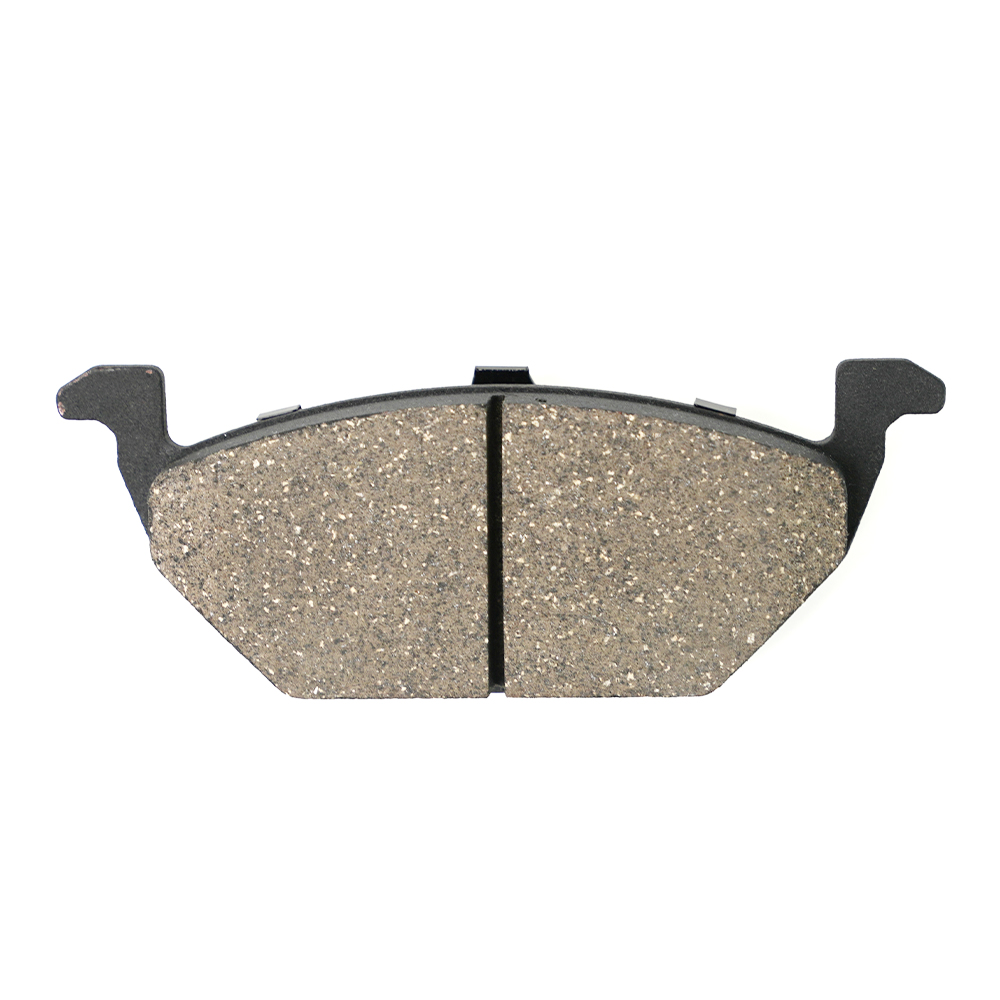
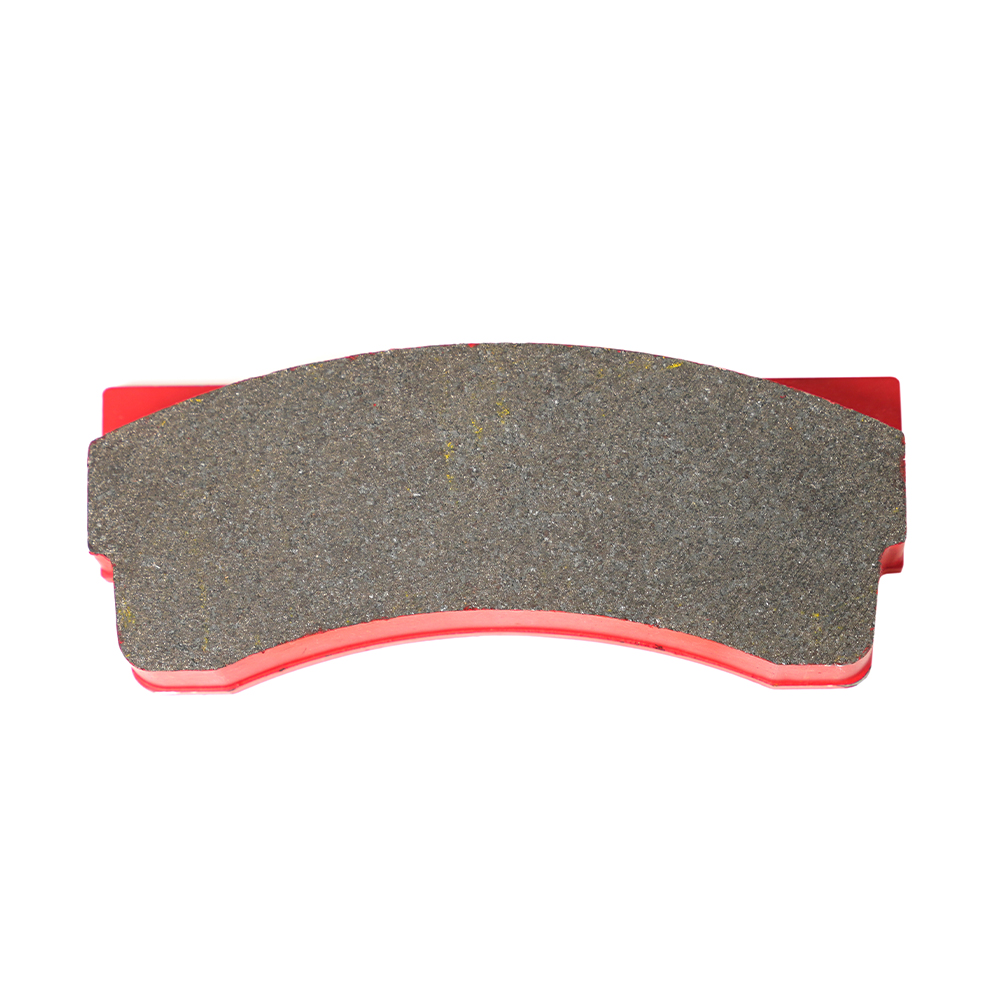
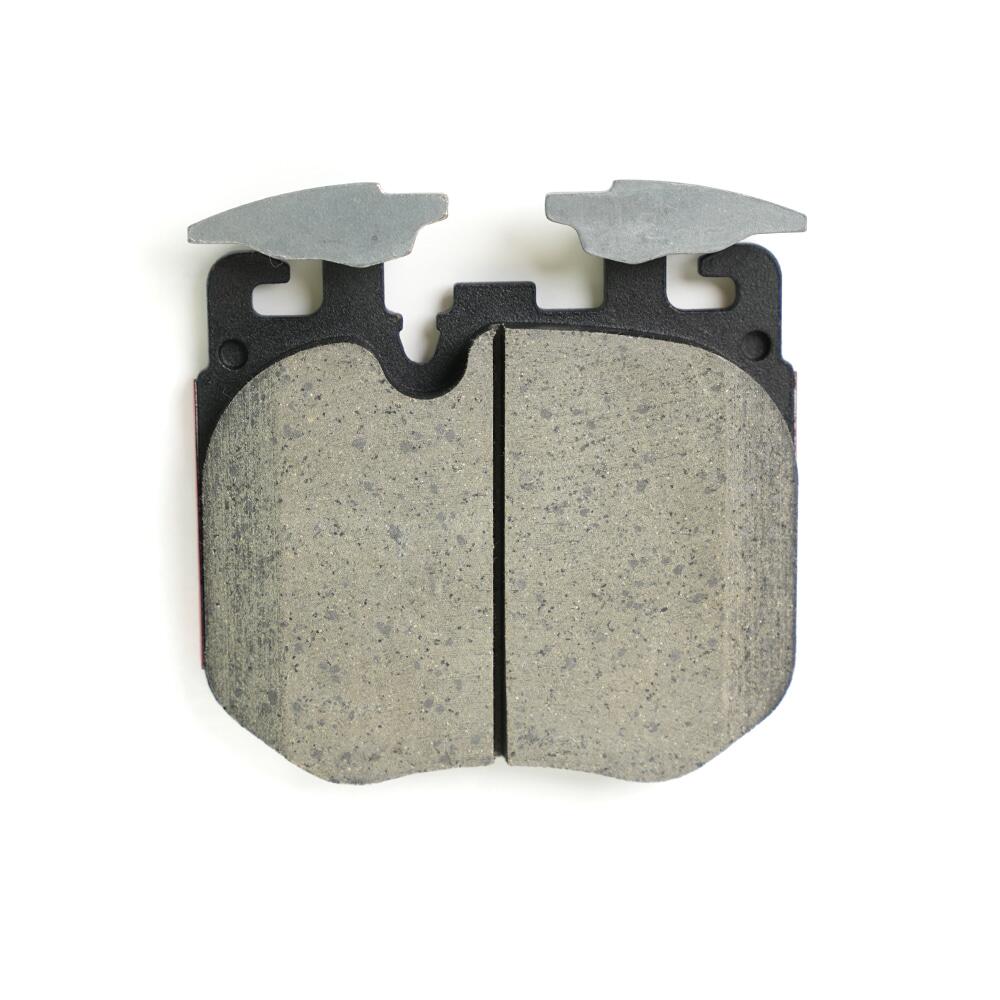
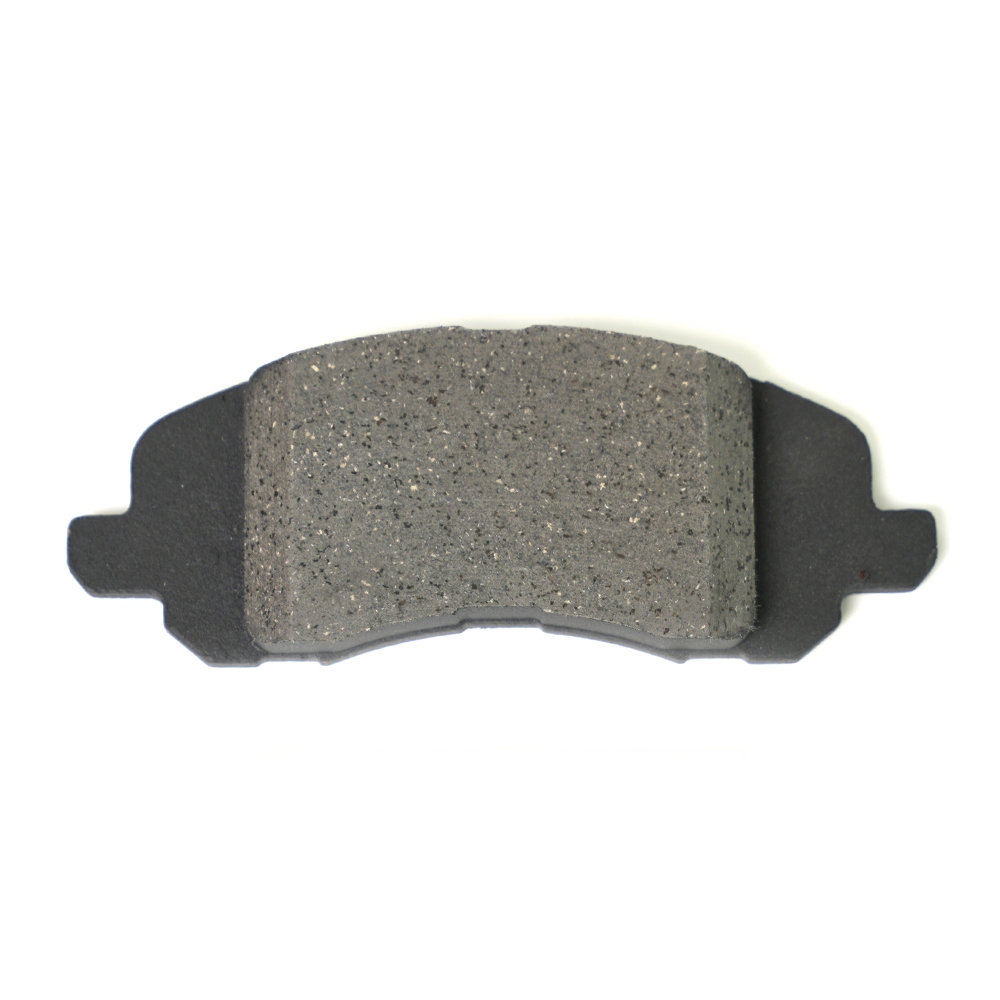
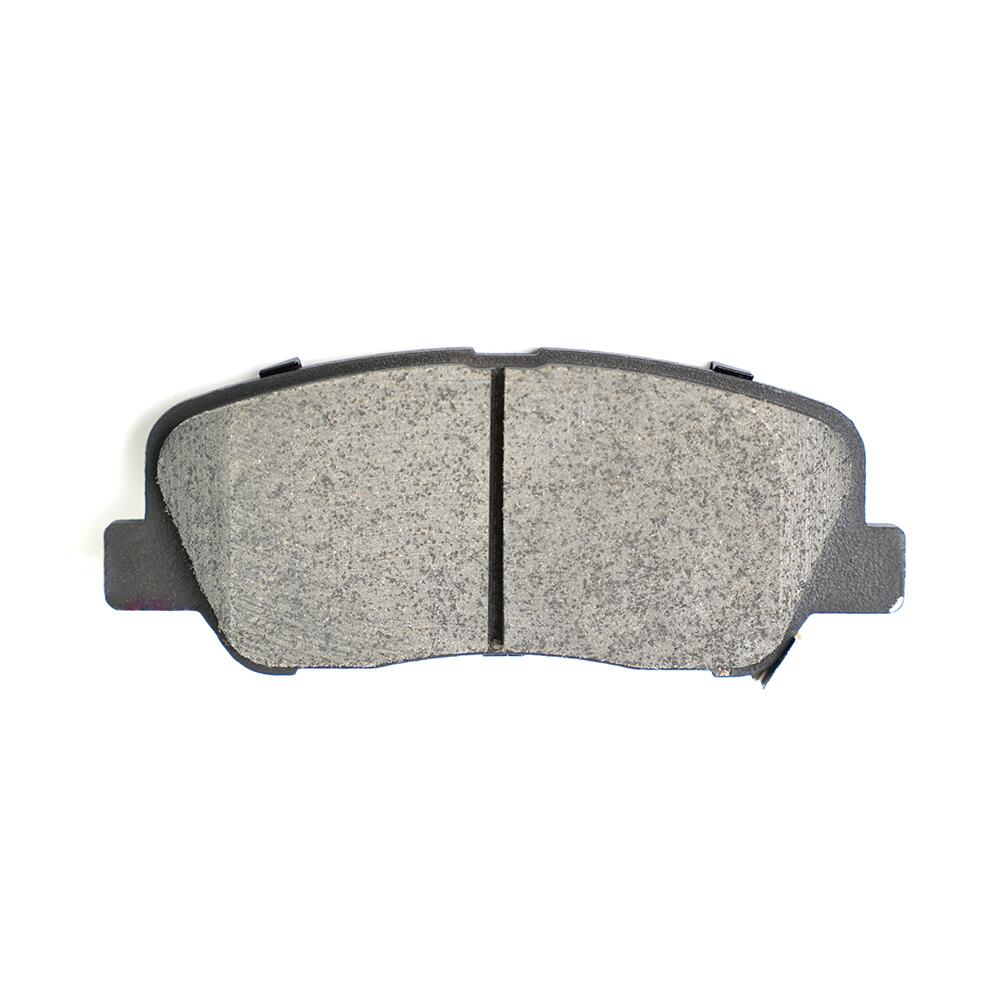
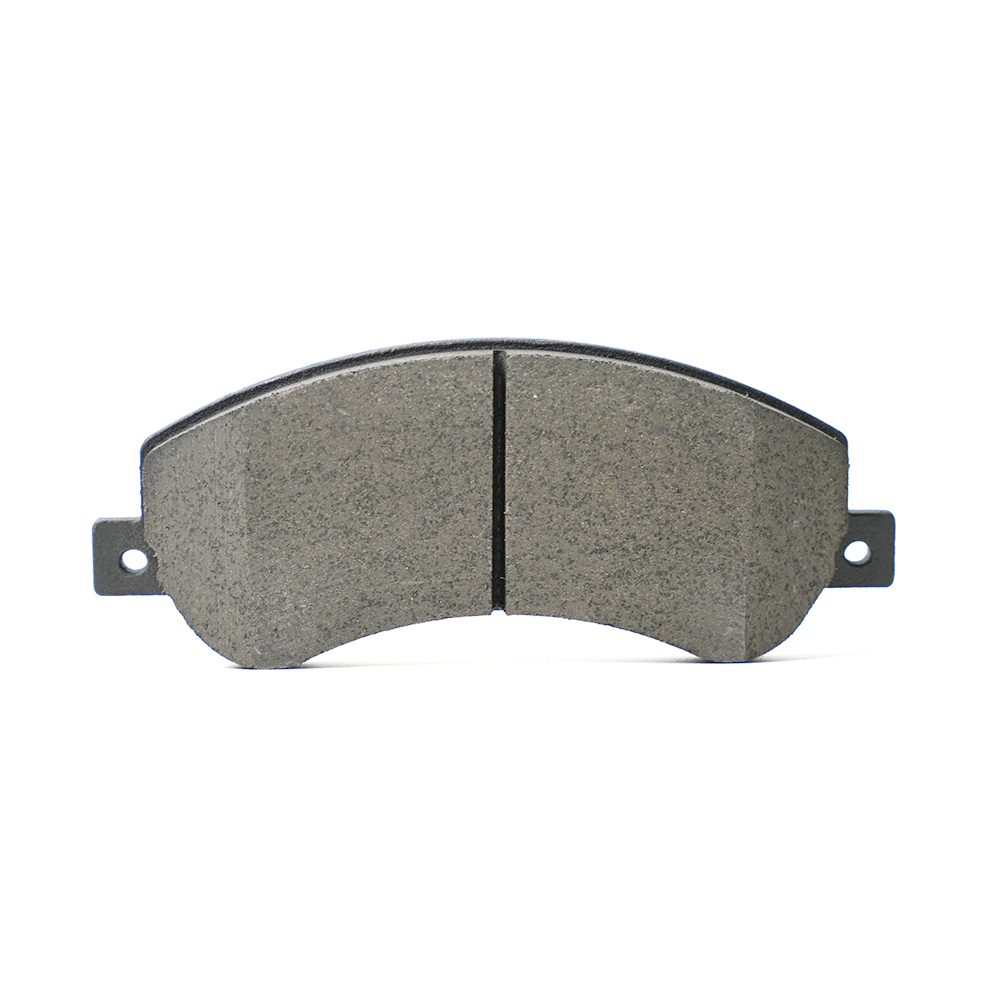
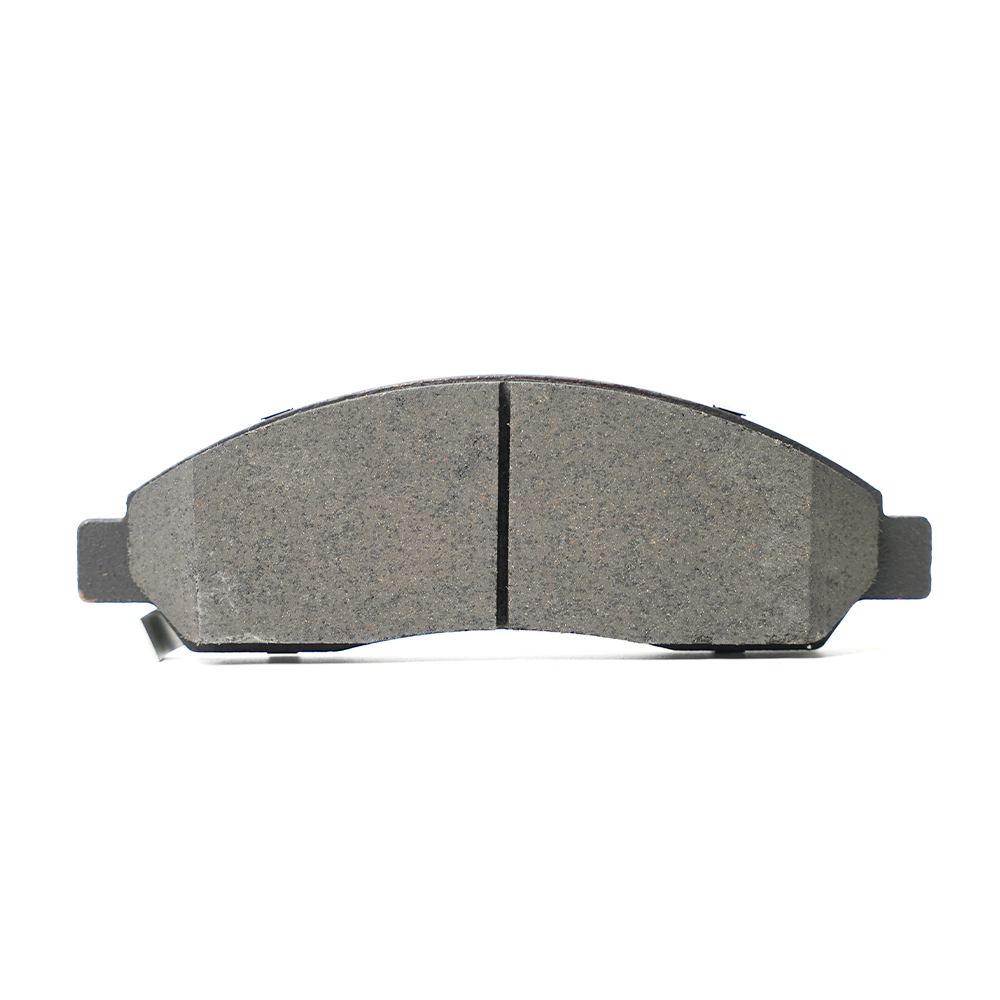
As brake pads wear thin, the caliper pistons extend further, contributing to lower fluid levels and changes in pedal feel. Some Hondas use brake pad wear indicators that cause squealing noises, while others rely on changes in hydraulic pressure to alert the system. Severely worn pads and scored rotors can also increase stopping distances and heat, which may worsen existing brake warnings.
Brake fluid leaks from steel lines, rubber hoses, calipers, or the master cylinder reduce system pressure and can trigger the brake system light. You might notice a soft or sinking brake pedal, visible fluid around wheels or under the car, and a strong chemical odor. Any active brake fluid leak is dangerous, as it can rapidly escalate into partial or total brake failure.
The master cylinder creates hydraulic pressure when you press the brake pedal. Internal seal wear, corrosion, or damage can cause pressure loss between brake circuits, triggering the warning light. The brake booster, which uses engine vacuum or an electric pump to reduce pedal effort, can also fail, making the pedal very hard to press and increasing stopping distance, though it may not always activate the same warning indicators.
On many Hondas, ABS faults start with the amber ABS light, but serious or multiple faults can also trigger the red brake system light. Damaged wheel speed sensors, corroded tone rings, faulty ABS modulator valves, or wiring issues can all disrupt the electronic control of your brakes, resulting in reduced safety features and multiple dashboard warnings at the same time.
Whether you can safely continue driving with the brake system light on depends on how the vehicle feels and whether other symptoms are present. Because braking is your most important safety function, it is wise to treat any brake warning as serious, even if the car still appears to stop normally at first.
Stop driving as soon as it is safe and consider towing the vehicle if you notice any of the following along with the brake system light:
If the brake system light is on but the pedal feels normal, the car stops predictably, and you do not see fluid leaks, you may carefully drive a short distance to a repair shop. Use extra following distance, avoid high speeds, and be prepared for sudden losses in brake performance. This approach is a compromise, not a long-term solution, and you should still address the problem as soon as possible.
Some basic checks can be done safely at home before visiting a mechanic. These steps help you gather useful information and sometimes resolve simple issues, but they are not a substitute for a professional brake inspection, especially when the warning light remains on.
With the engine off and the car on level ground, open the hood and locate the brake fluid reservoir, usually mounted near the driver’s side of the firewall. Check that the fluid is between the “MIN” and “MAX” lines. If it is low, inspect for leaks around wheels, lines, and the master cylinder. Only top up with the correct DOT-rated brake fluid specified in your Honda owner’s manual, and never mix types without confirming compatibility.
Confirm that the parking brake lever is fully down or the electronic parking brake switch is fully released. Gently lift and release the lever or operate the switch again to ensure it is not partially engaged. If the brake system light turns off afterward, the issue may have been a slightly engaged brake or a sticky switch. If the light remains on, further inspection is needed.
Visually inspect around each wheel for wet spots, stains, or residue that looks like brake fluid. Pay attention to flexible rubber hoses near the calipers and the metal lines running under the car. Also glance at the wheels through the spokes for severely uneven pad wear or warped rotors. Any visible leak or damaged component is a strong indicator that professional repair is required immediately.
Many modern Hondas store brake-related trouble codes in the vehicle’s onboard computer. A basic OBD-II scanner can read engine-related codes, while some advanced scanners can also access ABS and stability control modules. Pulling codes can help identify a failed wheel speed sensor, ABS modulator issue, or brake switch fault that may be triggering both the ABS and brake system lights.
Once the problem is identified, repairs for a Honda brake system light can range from simple adjustments to major component replacement. The cost will depend on your specific model, local labor rates, and whether original Honda parts or aftermarket components are used.
| Issue | Typical Symptoms | Approximate Repair Range (USD) |
| Low brake fluid, no leaks | Light on, fluid near MIN line | $20–$60 for fluid and inspection |
| Worn pads and rotors (front or rear) | Noise, longer stopping distance | $250–$600 per axle |
| Brake fluid leak (lines, hoses, calipers) | Soft pedal, visible fluid | $150–$800 depending on location |
| Master cylinder replacement | Pedal sinks, poor braking | $300–$700 |
| ABS wheel speed sensor fault | ABS/VSA lights plus brake light | $150–$400 per sensor |
These ranges are general estimates and may vary significantly by location and vehicle generation. A detailed quote from a trusted mechanic or Honda dealer is the most reliable way to understand your specific repair costs.
While no system is completely immune to wear and age, consistent maintenance greatly reduces the chances of seeing the brake system light and improves overall safety. Regular inspections help catch small issues before they become dangerous or expensive problems.
Check your Honda owner’s manual for specific maintenance intervals, but in general, brakes should be inspected at least once a year or every 10,000–15,000 miles. Brake fluid is often recommended to be replaced every two to three years, as it absorbs moisture over time, reducing boiling point and increasing corrosion risk inside brake components.
Pay attention to subtle changes in braking performance long before any light appears. Slight squealing, a steering pull under braking, or a pedal that feels different from usual are all early clues that something needs attention. Addressing these small changes promptly helps prevent the brake system light from becoming a regular visitor on your dashboard.
When servicing your Honda’s brakes, using quality pads, rotors, and fluids that meet or exceed the original specifications improves both performance and reliability. Properly bleeding the brake system, torquing components to spec, and ensuring sensors and wiring are correctly reconnected reduces the chance of false warnings or recurring brake system lights after service.
Treat the Honda brake system light as a serious safety signal, not an optional suggestion. By understanding what it means, recognizing common causes, and responding promptly with the right checks and repairs, you protect both your vehicle and everyone who rides in it.

+86-15061990710

+86-0513-84902663


Jingyi Road, Yangkou Port Economic Development Zone, Rudong County, Nantong City, Jiangsu Province.
Copyright ? Glorson Brake Systems Co., Ltd. Rights Reserved.